
However, the easiest method how to apply for an opening in this company would be to forward the resume online for the current openings.
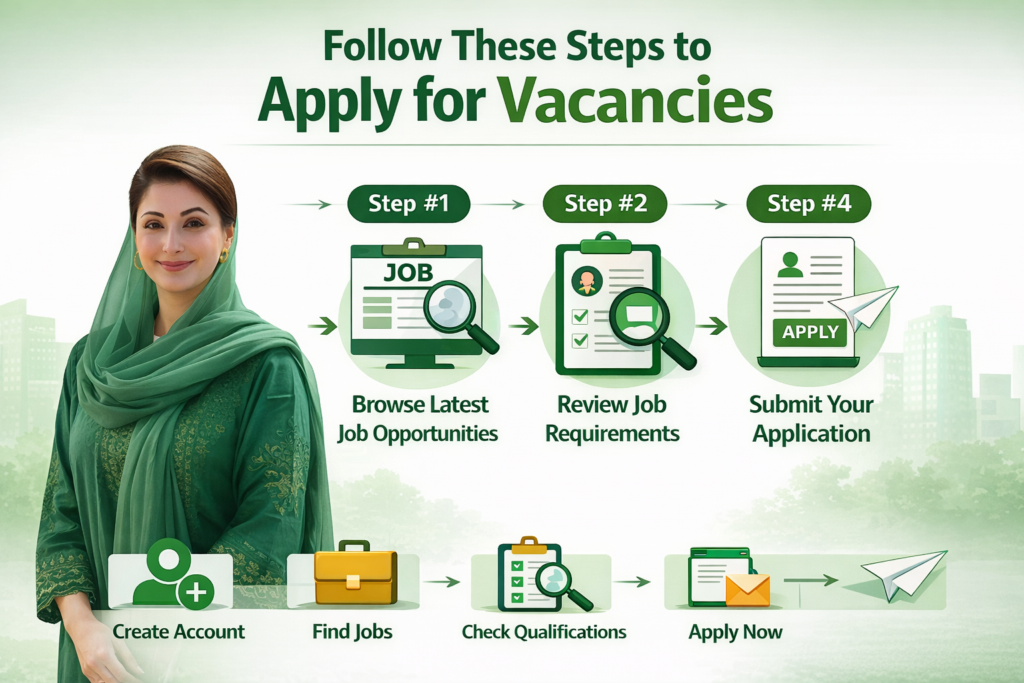
The following are the procedures that you must take when applying for vacancies.
Step# 1: Register and set up your account
Step# 2: Browse the latest available job opportunities
Step# 3: Review job requirements and align them with your profile
Step# 4: Submit your application for the selected position
Step #1: Register and Set Up Your Account
The very first step in applying for jobs online is to create an account on the job portal, company website, or recruitment platform of your choice. Registration is crucial because it allows you to save your profile, apply for jobs quickly, and receive alerts for new opportunities. Most job portals require basic personal information such as your full name, email address, phone number, and sometimes your location
.
Once you register, setting up your account properly is essential. This includes uploading a professional resume and creating a compelling profile. A well-structured profile acts as your digital resume and can attract recruiters even if you are not actively applying. Include a professional profile picture, if required, as first impressions matter. Also, add details about your education, work experience, certifications, and relevant skills. Some platforms even allow you to showcase portfolio work or achievements.
While setting up your account, make sure to customize your preferences. Many portals let you choose your preferred job locations, industries, and roles. This ensures that the system recommends jobs that are most suitable for you, saving time and increasing the likelihood of finding the right fit. Always check your information for errors, as mistakes in personal details or professional history can affect your application.
How to apply tip: Make sure your account is complete and professional because this is the first impression recruiters will see when you submit applications.
Step #2: Browse the Latest Available Job Opportunities
Once your account is ready, the next step is to explore the current job listings. Job portals typically have search tools that allow you to filter opportunities by industry, role, location, experience level, and salary range. Browsing regularly is important because new positions are added daily, and early applicants often have a higher chance of getting noticed.
When browsing, don’t just look at job titles. Read the descriptions, company names, and locations. Sometimes job titles can be misleading, so it’s essential to read further to understand the actual responsibilities. Pay attention to keywords in the listing, such as required skills or software, as these indicate whether you are a strong fit.
How to apply tip: Subscribe to job alerts to be notified of new opportunities that match your skills and preferences, which makes it easier to apply quickly.
Step #3: Review Job Requirements and Align Them With Your Profile
After identifying potential jobs, carefully review the requirements. Every job posting lists the necessary qualifications, experience, skills, and sometimes personal traits employers are seeking. Comparing your own profile with these requirements is crucial. Applying to roles that match your skills increases your chances of success, while applying randomly can waste time.
Consider both technical and soft skills. Technical skills are job-specific abilities, like proficiency in certain software or certifications. Soft skills include communication, teamwork, problem-solving, and time management, all of which employers value. If you notice gaps, plan to fill them for future applications or focus on entry-level positions that allow on-the-job learning.
How to apply tip: Only apply to jobs that closely match your skills to improve your chances of being shortlisted.
Step #4: Submit Your Application for the Selected Position
Once you’ve found a suitable role, it’s time to submit your application. Most platforms have an “Apply” button that guides you through the process. Ensure your application is complete and accurate. Upload a tailored resume highlighting relevant skills and experiences. Generic resumes are less effective, so adjust your resume for each application.
Many employers also request a cover letter. This allows you to introduce yourself, explain why you are interested, and show how your skills align with the role. Keep it concise, professional, and focused on the value you can bring.
Before submitting, double-check all information, attachments, and answers. Errors or missing documents can disqualify your application immediately. After submission, monitor your application status, confirmation emails, or tracking notifications. Polite follow-ups can also demonstrate interest.
How to apply tip #1: Make sure all documents are uploaded correctly before clicking submit.
How to apply tip #2: Personalize your resume and cover letter for each role.
How to apply tip #3: Track your applications regularly to stay updated.
Conclusion
In summary, applying for jobs online involves registering and setting up a professional account, browsing opportunities, reviewing requirements, and submitting tailored applications. Following the steps carefully ensures your profile stands out and that you are applying for roles that suit your skills and preferences. By understanding how to apply effectively, you increase your chances of being noticed and securing the position
.
How to apply tip #4: Consistency is key—apply regularly and follow up where appropriate.
How to apply tip #5: Use alerts and filters to save time and quickly find suitable opportunities.
How to apply tip #6: Align your experience and skills with the job requirements before submitting applications.
How to apply tip #7: Always double-check and personalize your submissions to make the best impression.